Stop Being the Star — Start Being the Author
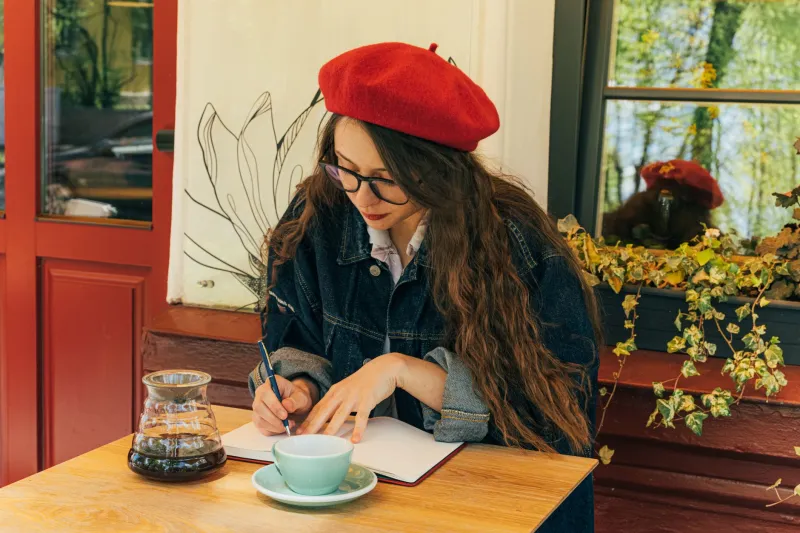
There was a moment — probably somewhere between 2020 and 2022 — when we collectively decided that living like the protagonist of a coming-of-age film was not just acceptable but aspirational. The slow walks with coffee cups. The dramatic window-gazing. The carefully framed 'unbothered' selfie. Main character energy became its own genre, and for a while, it genuinely felt liberating.
And look, I get it. After years of shrinking ourselves to make other people comfortable, being told to center your own story was radical. It gave a lot of us — especially women — permission to stop apologizing for taking up space. That mattered.
But here's where we are now: the aesthetic has calcified into something a little hollow. The main character era didn't just peak — it started eating itself. When everyone is the protagonist, nobody is. And more quietly, more honestly, a lot of us started feeling lonely inside the performance.
What Happened When the Camera Kept Rolling
The cultural shift was subtle but real. By late 2023, you could see it in the comment sections and the think-pieces and the way people started quietly rolling their eyes at overly curated 'that girl' routines. TikTok's algorithm, which had turbocharged the main character aesthetic, started surfacing a counter-narrative: videos about community, about chosen family, about the radical act of being genuinely interested in other people.
Search 'soft life' or 'slow living' today and you'll still find plenty of solo aesthetic content. But scroll a little deeper and something different is emerging — people talking about building with others, not just building themselves. It's less 'I'm the main character' and more 'I'm part of something worth telling a story about.'
This isn't a moral judgment. It's just an evolution. The question is: what do you do with it?
The Difference Between Centering Yourself and Isolating Yourself
Here's the thing nobody really said out loud during the main character peak: there's a meaningful difference between knowing your own worth and making everyone else a supporting cast member in your personal movie.
One is self-awareness. The other is a slow, subtle kind of narcissism that most of us stumbled into without realizing it — because the culture made it look like growth.
I've caught myself doing it. Framing a friendship through the lens of what it was teaching me. Turning a shared experience into content that centered my reaction. Treating real, messy, complicated relationships like plot devices in a story I was already writing the ending to.
The main character framing made that feel okay. Even smart. But it also made genuine connection harder, because genuine connection requires actually being curious about the other person's story — not just how it intersects with yours.
What Comes After: The Author Mindset
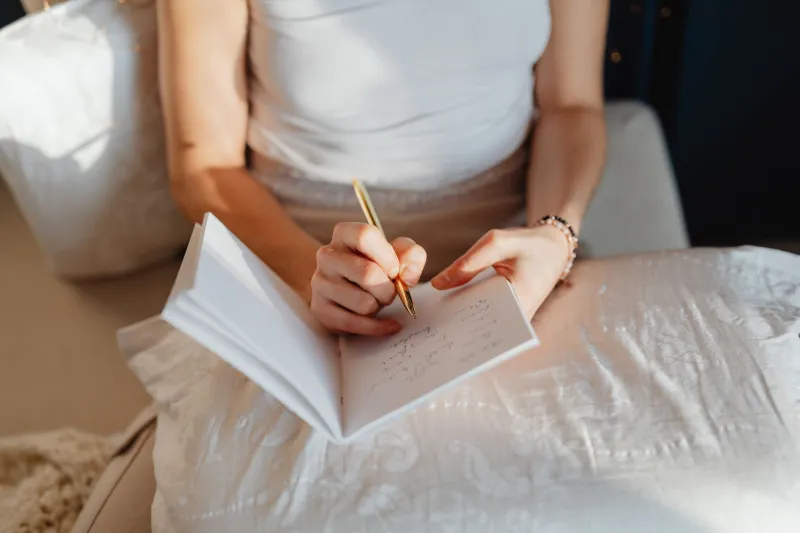
I've been sitting with this idea lately: what if instead of being the star, you focused on being the author?
The author still has a point of view. She still makes choices. She still decides what matters and what gets cut. But she also understands that the best stories aren't solo performances — they're about relationships, tension, community, and the way individual lives braid together into something larger.
Being the author of your life means you're intentional without being performative. You're self-aware without being self-absorbed. You can still have your aesthetic, your vision, your goals — but you hold them loosely enough to let other people genuinely in.
Practically, this looks like a few things:
Choosing depth over documentation. Not every meaningful moment needs to be captured and shared. Some of the best parts of your story happen when the phone is in your bag.
Getting curious about other people's narratives. Ask questions you don't already know the answer to. Listen without mentally drafting your response. Let someone else's experience actually land.
Building something that outlasts the algorithm. The most interesting creative women I know right now aren't just building personal brands — they're building communities, collaborations, local scenes. Things that exist in three dimensions.
The Cultural Moment We're Actually In
Look around and you can see the shift happening in real time. The most resonant cultural conversations right now aren't about individual glow-ups — they're about collective care, about what we owe each other, about how to build lives that are sustainable and connected rather than spectacular and lonely.
Even in the influencer space, the accounts gaining traction aren't always the most polished. They're the ones that feel genuinely reciprocal — where the person behind the screen seems actually interested in the people watching, not just broadcasting at them.
That's the post-main-character move. Not self-erasure. Not going back to shrinking. But expanding your definition of a good story to include the people around you as full characters, not extras.
You're Still the Author — Just Not the Only One
None of this means giving up on yourself. Please don't hear it that way. You still get to want things. You still get to have a vision for your life. You still get to be intentional about the story you're telling.
But the most compelling version of that story? It's probably not a one-woman show. It's something messier and warmer and more surprising — written in collaboration with people who challenge you, who need things from you, who bring plot twists you never could have scripted.
The main character era gave us the confidence to pick up the pen. What comes next is learning to write something worth reading.