What 'Being Authentic' Actually Costs — And Why Nobody's Talking About It
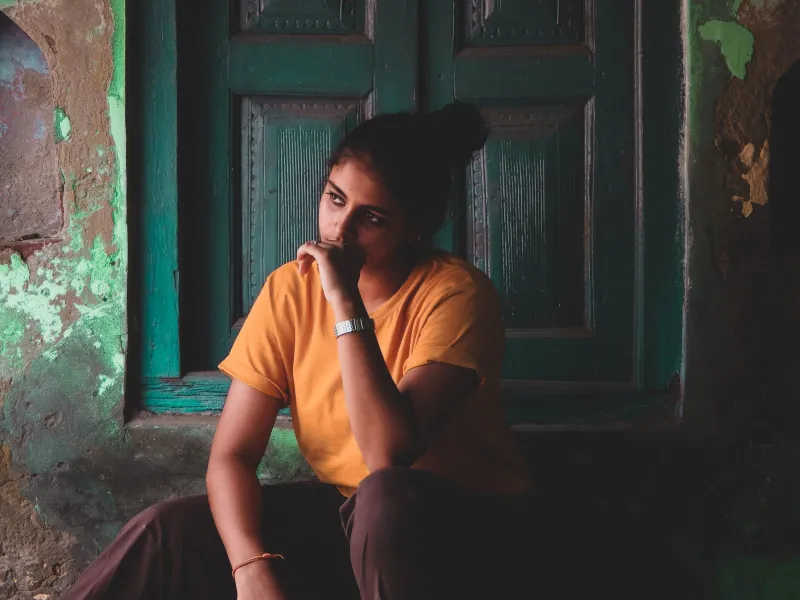
Scroll through Instagram for ten minutes and you'll find at least three posts about "living your truth." Maybe a woman sitting cross-legged on a linen couch, holding a ceramic mug, with a caption about finally choosing herself. Maybe a carousel on "releasing what no longer serves you" with a soft-focus photo of someone staring pensively at the ocean. The word authentic appears so often in self-help content that it's started to lose all actual meaning — which is a problem, because the real thing is worth talking about.
The version of authenticity being sold to us is clean, aesthetic, and deeply aspirational. It involves good lighting, a capsule wardrobe, and the quiet confidence of someone who has figured everything out. It looks like freedom. What it almost never looks like is the actual, daily, sometimes-painful work of deciding to be honest about who you are — especially when that honesty costs you something.
Let's talk about that version instead.
1. Authentic Living Often Means Disappointing People You Love
The self-help industry loves to frame authenticity as a gift you give yourself. And sure, there's truth in that. But it conveniently leaves out the part where being more honest about who you are and what you want tends to disappoint, confuse, or alienate people who were comfortable with the previous version of you.
Changing careers when your family expected a certain path. Leaving a relationship that looked fine from the outside. Saying no to things you used to say yes to just to keep the peace. These aren't abstract decisions — they have real consequences for real relationships. Authenticity, in practice, sometimes means sitting across from someone you care about and watching them struggle to understand a choice you made that had nothing to do with them and everything to do with you.
That's not a failure of authenticity. That's just what it actually feels like.
2. You Will Doubt Yourself Constantly — And That's Not a Sign You're Doing It Wrong
Here's something the personal development world quietly implies: if you've done the work, you'll feel certain. Confident. Clear. Doubt, in this framing, is a symptom of unfinished healing, or misalignment, or not having meditated enough.
This is nonsense, and it keeps people stuck.
Living authentically doesn't eliminate doubt. If anything, it introduces a different, more specific kind of doubt — the kind that comes from making choices that don't have external validation built in. When you're living for someone else's approval, at least you have a clear metric. When you're trying to live for yourself, the compass is internal, and internal compasses are not always steady.
Doubt doesn't mean you're off track. It means you're making real decisions with real stakes. The goal isn't certainty. It's learning to move forward without it.
3. The Self-Help Industry Has Turned Authenticity Into a Product
Let's be direct about something: there is an enormous amount of money being made from the idea that you are not yet authentic enough, but that you could be — if you buy this course, follow this framework, join this community, read this book.
Authenticity has been commodified. It's been packaged into a 12-week program, a morning routine, a set of journal prompts. And look, some of those tools are genuinely useful. But the underlying message — that there's a system you can follow to arrive at your most authentic self — is a little bit of a con. Because the most honest version of you doesn't live at the end of a curriculum. It lives in the accumulation of small, unglamorous choices you make every single day, most of which nobody will ever see or celebrate.
The influencer who built a brand around "radical honesty" and charges $500 for a workshop on it is not your enemy. But she's also not your blueprint.
4. Sometimes Being Authentic Means Being Unpopular
We've somehow arrived at a cultural moment where authenticity is expected to be universally relatable. The authentic self, as presented on social media, tends to be someone whose truth resonates with thousands of people, who gets comments like "this is literally me" and "I needed to hear this today."
But real authenticity is often niche. Specific. Sometimes genuinely weird. And occasionally, it's just straight-up unpopular.
Having a genuine opinion that doesn't track with your social circle. Making an aesthetic choice that confuses people. Admitting to something you actually believe when you know it'll land wrong in the room. These moments don't go viral. They don't get saved. They just sit there, uncomfortable, while you figure out whether you can live with being misunderstood.
You can. But it takes practice, and the practice is not pretty.
5. Authenticity Is Ongoing, Not Achieved
The most persistent myth is that authenticity is a destination — that there's a version of yourself you're working toward, and once you get there, you'll finally feel like yourself. This is seductive because it's tidy. It suggests that the discomfort is temporary, that the work has an end point.
It doesn't. You are not a fixed thing. You will keep changing, and the work of staying honest with yourself about who you're becoming is genuinely lifelong. What felt authentic at 24 might feel like a costume at 32. The values you thought were non-negotiable might shift after something breaks them open. The life you built around your truth might need to be rebuilt when your truth evolves.
This is not a failure of authenticity. This is just what being a person is.
So What Does It Actually Demand?
Building a genuinely authentic life — not the Instagram version, the real one — requires a specific kind of tolerance for discomfort. It asks you to make choices that aren't always explainable or popular. It asks you to disappoint people sometimes, to doubt yourself often, and to keep going anyway. It asks you to stay curious about who you are without treating that curiosity as a problem to be solved.
It's less aesthetic than the content suggests. It's more ordinary, more private, and more demanding. But it's also more real — and that, ultimately, is the whole point.
Nobody's going to post a carousel about the Tuesday afternoon they had a hard conversation they'd been avoiding for six months. But that's probably closer to what living authentically actually looks like than any linen-couch moment ever will be.