These Under-the-Radar Cities Are Where Creative Women Are Actually Thriving Right Now
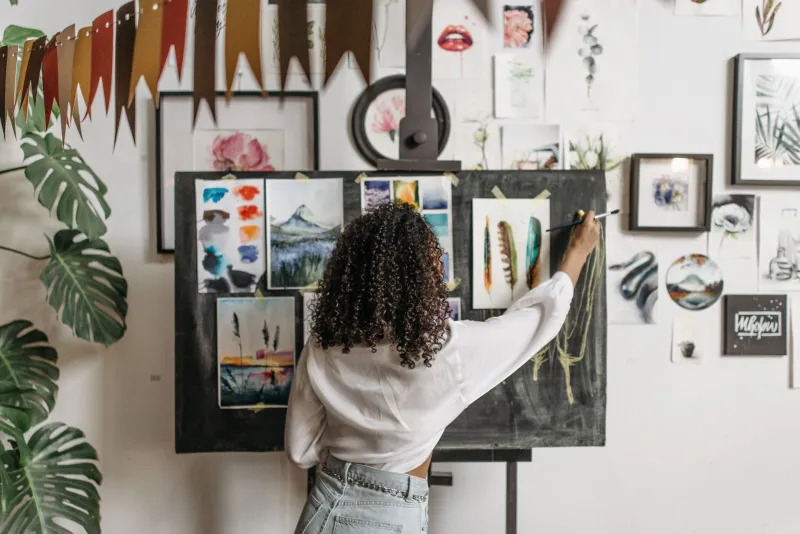
There's a story we've been told about where creative ambition is supposed to take you. New York if you're serious. LA if you want scale. Maybe Chicago or Austin if you're hedging. The coasts as the default setting for anyone who wants to build something real.
But that story is getting rewritten, quietly and pretty powerfully, by a wave of artists, writers, designers, and entrepreneurs who looked at the cost — financial, emotional, logistical — of the obvious destinations and said: what else is out there?
What they found, in a handful of unexpected metros across the country, was something harder to quantify than a vibrant art scene or a low cost of living. They found room. Room to experiment, to fail without it being catastrophic, to build community without fighting through layers of competition just to get to the table.
Here are five cities where that's happening right now — and what makes each one worth paying attention to.
Tulsa, Oklahoma — Where Funding Actually Finds You
If you haven't heard about Tulsa's creative renaissance yet, you're about to. The George Kaiser Family Foundation has poured serious money into making the city a destination for remote workers and artists through programs like Tulsa Remote, which offered cash grants to people willing to relocate and put down roots. But beyond the financial incentives, something organic has taken hold.
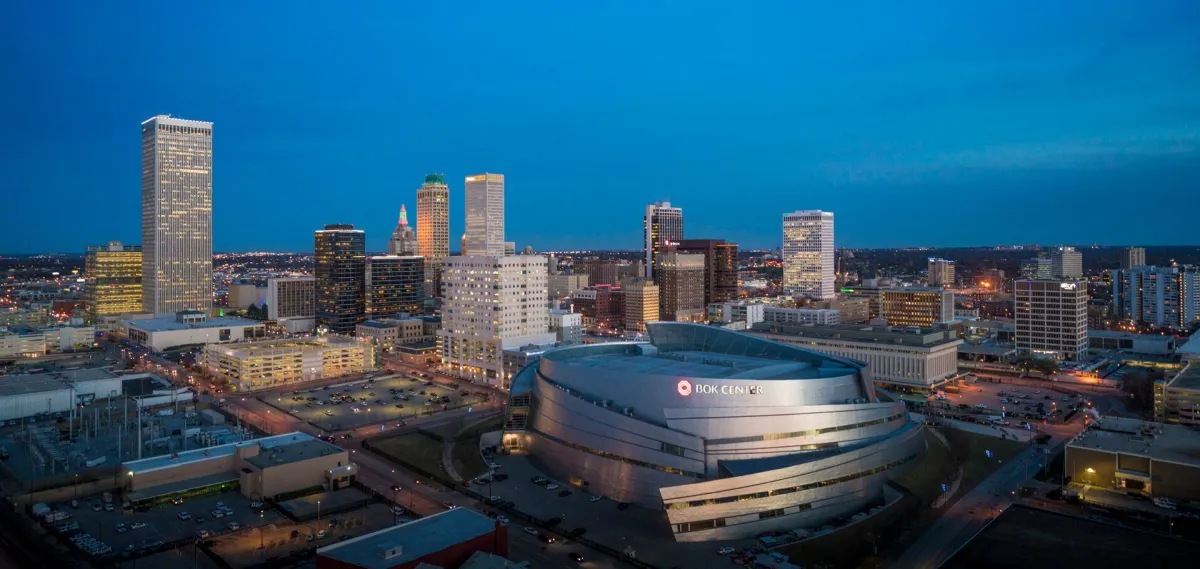 Photo: Tulsa, Oklahoma, via d1pk12b7bb81je.cloudfront.net
The Tulsa Artist Fellowship has been quietly building one of the most interesting cohorts of working visual artists in the country, offering studio space, stipends, and — crucially — a genuine community of peers. Women who've come through the program talk about the unusual luxury of having time: time to develop a body of work without the constant financial pressure that grinds creative ambition into dust in more expensive cities.
The Brady Arts District has real texture — independent galleries, a growing food scene, spaces that feel lived-in rather than curated for Instagram. It's not trying to be Brooklyn. That's the point.
Richmond, Virginia — DIY Energy With Real Infrastructure
Richmond has been doing its own thing for long enough that it doesn't need to announce it anymore. The city has a deep, scrappy creative history rooted in its music scene and zine culture, and that DIY ethos has evolved into something more sophisticated without losing its edge.
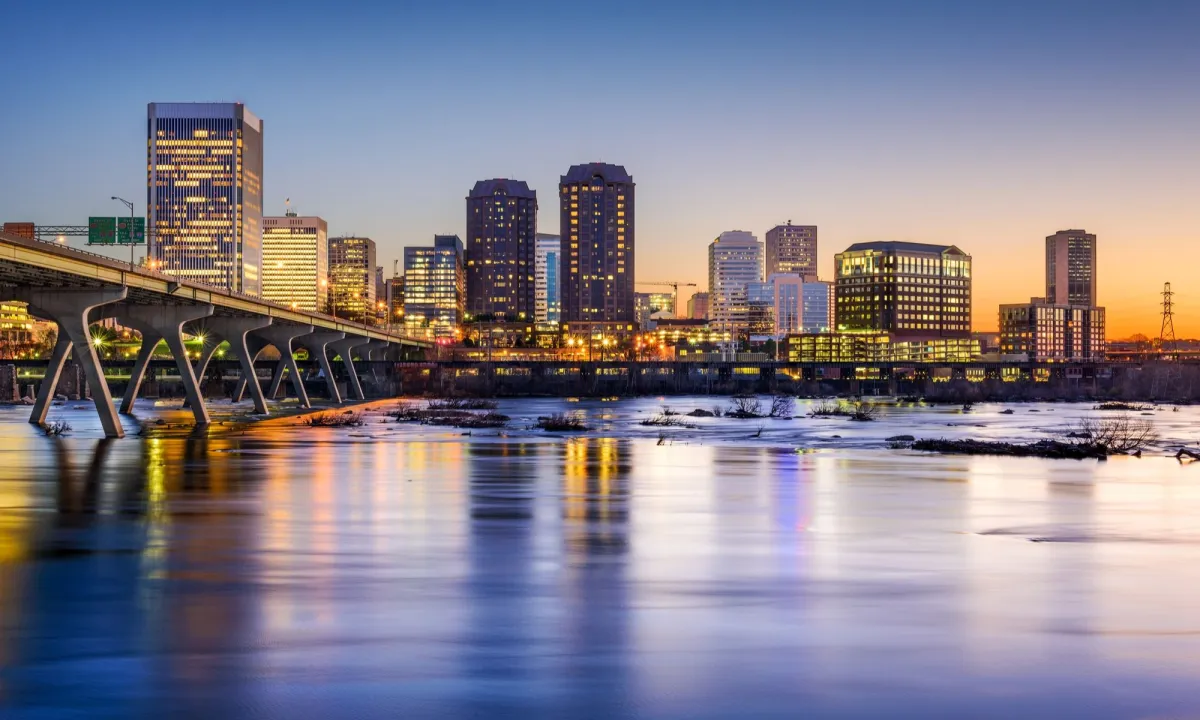 Photo: Richmond, Virginia, via www.skydiveorange.com
The arts nonprofit ecosystem here is genuinely impressive. Organizations like 1708 Gallery — one of the oldest artist-run galleries in the Southeast — have created infrastructure that supports working artists at every stage. And the James River corridor, with its converted industrial spaces, has become home to a cluster of women-led studios, small-batch makers, and independent creative businesses that are building on their own terms.
What draws people to Richmond specifically is the combination of Southern warmth and genuine weird energy. It's affordable enough that you can take risks. It's connected enough (DC is two hours away) that you're not cut off. And the creative community is tight-knit in a way that actually produces collaboration rather than just networking.
Boise, Idaho — The Outdoor-Creative Crossover Nobody Expected
Boise is easy to underestimate. From the outside, it reads as an outdoorsy Western city that got a little trendy during the pandemic migration wave. And yes, the cost of living has climbed. But what's emerged here is a genuinely interesting creative scene with a specific character: practical, independent, and deeply tied to the landscape.
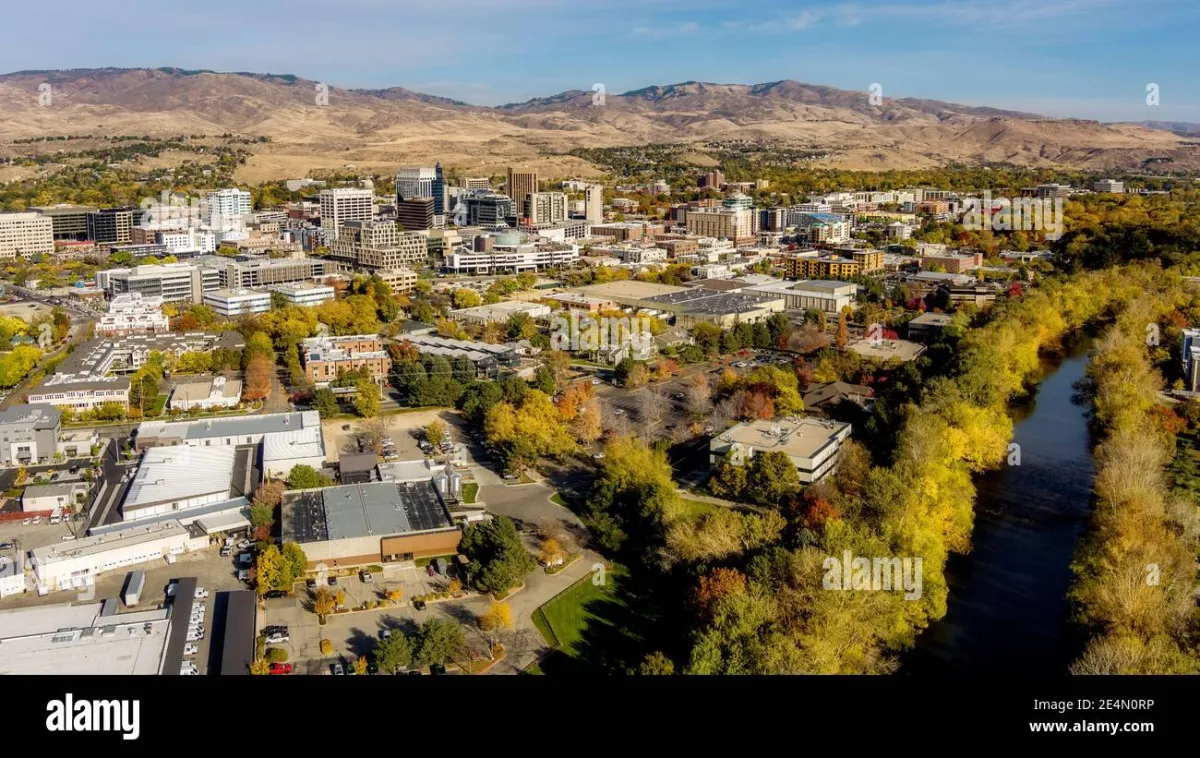 Photo: Boise, Idaho, via c8.alamy.com
The Treefort Music Fest — which has grown into a multi-arts festival covering film, literature, and tech alongside music — has become a real anchor for the community, drawing national attention while staying locally rooted. Women entrepreneurs in Boise consistently cite the same thing: the collaborative culture. There's less of the zero-sum competition that can make bigger cities exhausting. People share resources, make introductions, show up for each other's launches.
The outdoor lifestyle isn't just an aesthetic here — it actively shapes the pace and texture of creative work. There's something about having the Sawtooth Mountains accessible on a Tuesday afternoon that recalibrates what 'productive' means.
Asheville, North Carolina — Mountain Town, Global Creative Reach
Asheville has been on the radar longer than the others on this list, but it keeps earning its spot. What makes it remarkable isn't just the density of artists and makers per square mile (though that's real) — it's the way the city has developed genuine market access for creative work without losing its independent character.
The River Arts District is a working artist community in the truest sense: studios open to the public, prices that reflect actual craft, makers who are serious about their practice. Women ceramicists, textile artists, and jewelry designers here have built sustainable businesses that sell nationally while staying rooted locally. The tourism economy, which could easily feel extractive, has instead created a customer base that actually buys things.
Asheville also has a strong tradition of women-led organizing — in its food scene, its arts nonprofits, its political life. That infrastructure creates a kind of social scaffolding that makes it easier to build something new without starting from scratch.
Detroit, Michigan — Comeback City With Serious Creative Bones
Detroit's story has been told a hundred ways, but the version that matters for creative women right now is this: the city has more space, more history, and more raw material for reinvention than almost anywhere else in America — and the people who stayed and the people who chose to come are doing genuinely interesting things with it.
The Cass Corridor and Midtown have long been creative anchors, but the action has spread. Eastern Market is one of the country's great urban markets and a hub for food entrepreneurs and makers. The Detroit Creative Corridor Center has supported hundreds of creative businesses. And organizations like the Detroit Justice Center are doing the harder, slower work of making sure the creative renaissance actually benefits the communities who never left.
Black women creatives in particular have built remarkable things in Detroit — in fashion, in food, in music, in visual art — often with less fanfare than they'd get in New York but with more agency and ownership. That's not a small thing. That might be the whole thing.
The Real Takeaway
None of these cities is a utopia. They all have their challenges — rising costs, uneven infrastructure, the complicated politics of gentrification and displacement that follow creative migration everywhere. Building something real requires engaging with that complexity, not just curating the good parts.
But if you're at a point in your life where you're asking where as much as what — these places are worth looking at seriously. Not because they're easier than the obvious choices, but because they offer something different: the chance to be part of building a scene rather than just surviving one.