When Your Life Shifts, Your Closet Has to Catch Up
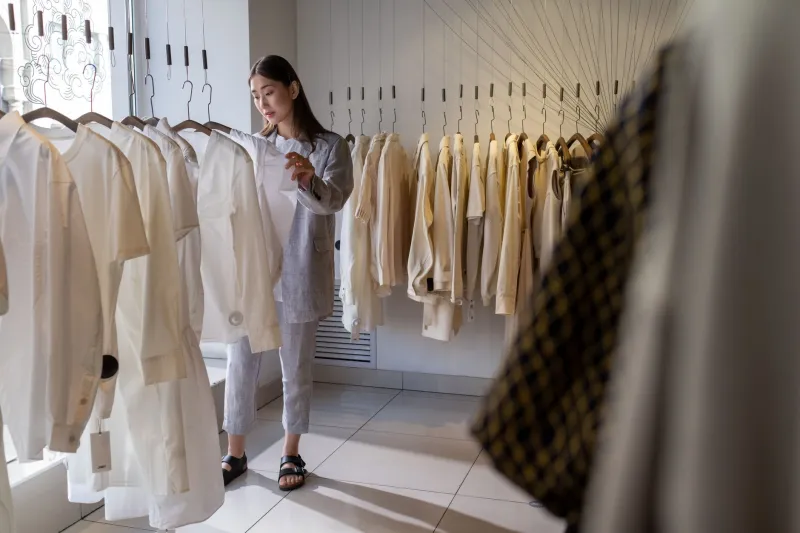
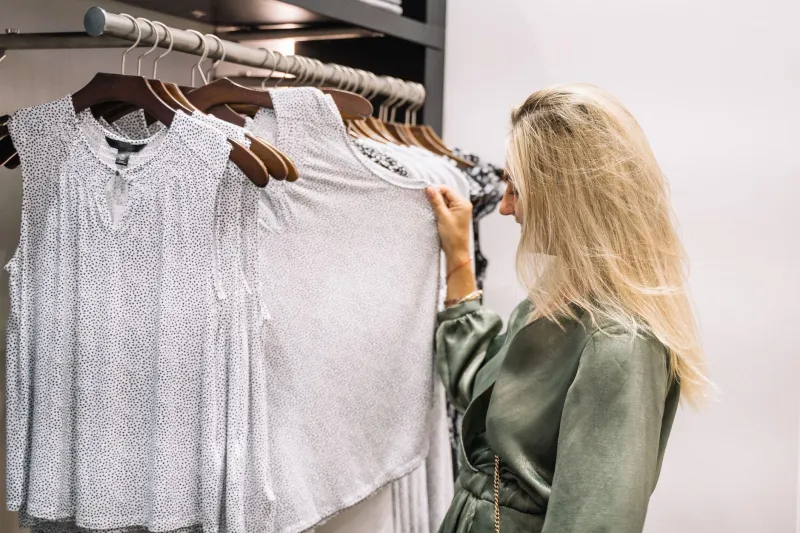
There's a specific kind of discomfort that hits when you open your closet after something big has changed in your life. Maybe you just moved to a new city. Maybe a relationship ended. Maybe you left a job that had quietly been defining you for years. You're standing there staring at shirts and blazers and shoes that all technically still fit — and yet nothing feels right. Not because the clothes are wrong, exactly. Because you are different now, and they haven't gotten the memo.
I went through this after relocating from the East Coast to LA in my late twenties. I showed up with a wardrobe built for brisk walks and boardrooms, and I found myself sweating through structured blazers at a Sunday farmers market, feeling like I was cosplaying a version of myself that no longer existed. It wasn't just about the weather. It was about the identity I'd packed into those suitcases — one that didn't belong in this new chapter.
 Photo: East Coast, via handluggageonly.co.uk
Style, it turns out, is never really just about clothes.
Your Wardrobe Is a Time Capsule
Most of us don't build our wardrobes intentionally. We accumulate. We buy things for occasions that pass, for versions of ourselves we were trying to become, for jobs we needed to look the part in. Over time, the closet becomes this dense archaeological record of who we've been — and when life shifts dramatically, rifling through it can feel genuinely strange. Like reading old journal entries from someone you used to know.
That strangeness is actually useful information. It's your gut telling you that the external and internal have fallen out of alignment. And that gap? That's exactly where reinvention begins.
The mistake most people make is treating this as a shopping problem. It's not. Buying a bunch of new things before you've figured out who you're dressing for is just expensive avoidance. Before you touch your credit card, you need to sit with the discomfort a little.
Start With Feeling, Not Aesthetics
Here's a question worth asking yourself: How do I want to feel when I walk into a room? Not what do I want people to think of me — how do I want to feel. Powerful? Relaxed? Creative? Put-together-but-not-trying-too-hard? Soft? Serious?
This is different from pinning outfits on Pinterest. Pinterest shows you what things look like. But style that actually works for your life is rooted in sensation — in the physical and emotional experience of wearing something that fits the person you're actively becoming.
After my move, I realized I wanted to feel lighter. Not just literally (though yes, fewer wool coats). But lighter in the sense of less armor, more ease. That one word — lighter — became a filter for every purchase and every closet purge I did over the following months.
The Purge Is Personal, Not Performative
There's a whole industry telling you to declutter your closet as a form of self-care, and honestly, it can be. But it only works if you're honest about why you're keeping things. Not the Marie Kondo version of honesty — the real version.
Keep the things that feel like you right now, or like a direction you're genuinely moving toward. Let go of the things you're holding onto out of guilt (expensive mistake), nostalgia (that's what photos are for), or a fantasy version of your life that you've quietly stopped chasing.
This part takes time. Don't do it in one frenzied Saturday afternoon. Live with the uncertainty for a bit. Wear things and notice how you feel in them. The clarity usually comes gradually, not all at once.
Building Intentionally, Piece by Piece
Once you've cleared some space — physically and mentally — you can start building something new. And here's where it gets genuinely fun.
A few things that actually help:
Borrow before you buy. If you're pivoting into a new social environment — a new city, a new industry, a new relationship status — observe what people around you are wearing before you invest. Not to copy them, but to understand the visual language of the world you're entering. You don't have to speak it fluently, but it helps to understand the dialect.
Invest in how things fit, not just what they are. A $40 dress that fits your actual body in this actual moment will always look better than a $200 piece you bought for a body you're trying to get back to. Dress the life and the body you have right now.
Give yourself a signature. When everything feels uncertain, a signature element — a color you always wear, a specific silhouette you return to, a piece of jewelry you never take off — becomes an anchor. It says this is still me, even when everything else is in flux.
Resist the complete overhaul. Unless your old wardrobe is genuinely incompatible with your new life (and sometimes it is), you don't need to throw everything out and start fresh. Transition wardrobes are real and valid. Mixing old pieces with new ones is how you honor where you came from while making room for where you're going.
Dressing for Who You're Becoming
Here's the thing nobody tells you about style reinvention: it's not a destination. It's an ongoing conversation between you and the life you're building. The goal isn't to land on a perfect aesthetic and stay there forever. The goal is to stay curious about yourself — to keep asking whether what you're wearing still reflects who you actually are.
Major life transitions are uncomfortable for a lot of reasons. But they also hand you a rare and valuable permission slip: to stop dressing for who you were, and to start showing up as whoever you're in the process of becoming. That's not a small thing. That's actually kind of everything.
So yes, clean out the closet. But do it slowly, honestly, and with some grace for the woman who bought all those things in the first place. She was doing her best. You're just ready for something new.